
uplinklocal
September 22, 2025
The ultimate local marketing guide for small businesses. Master Google, reviews, SEO & automation to dominate your local market in 2025.
Small business owners today face an unprecedented challenge. The digital revolution has completely transformed how customers discover, evaluate, and choose local businesses.
Without a strategic approach to local marketing, even the best small businesses can remain invisible to their ideal customers. This comprehensive local marketing guide for small businesses will change that.
This local marketing guide for small businesses is built around three proven pillars that drive measurable results: Visibility, Trust, and Systems. Each pillar works together to create a powerful marketing engine that attracts qualified leads, converts them into loyal customers, and scales your business profitably.
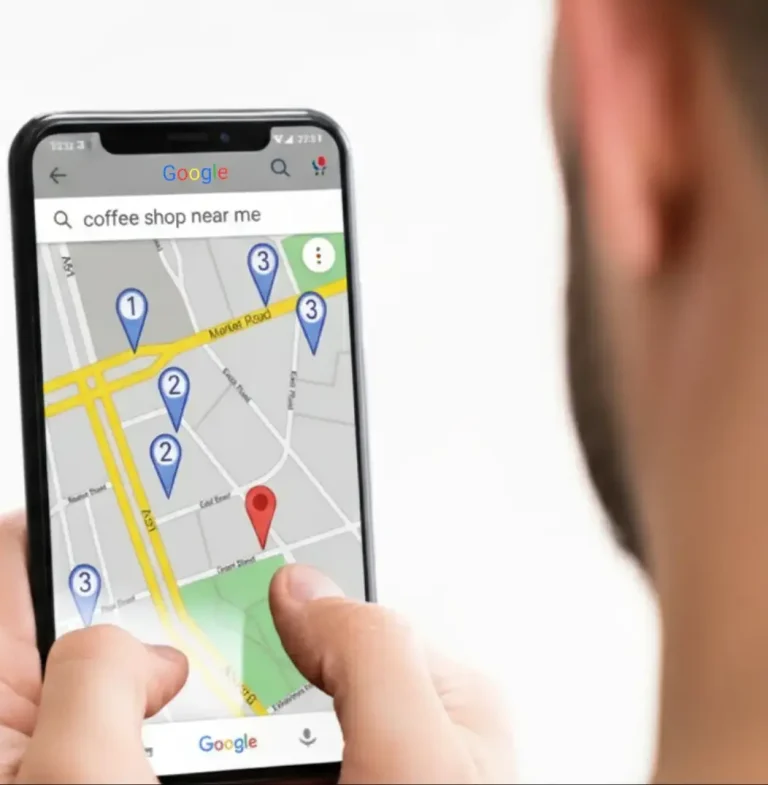

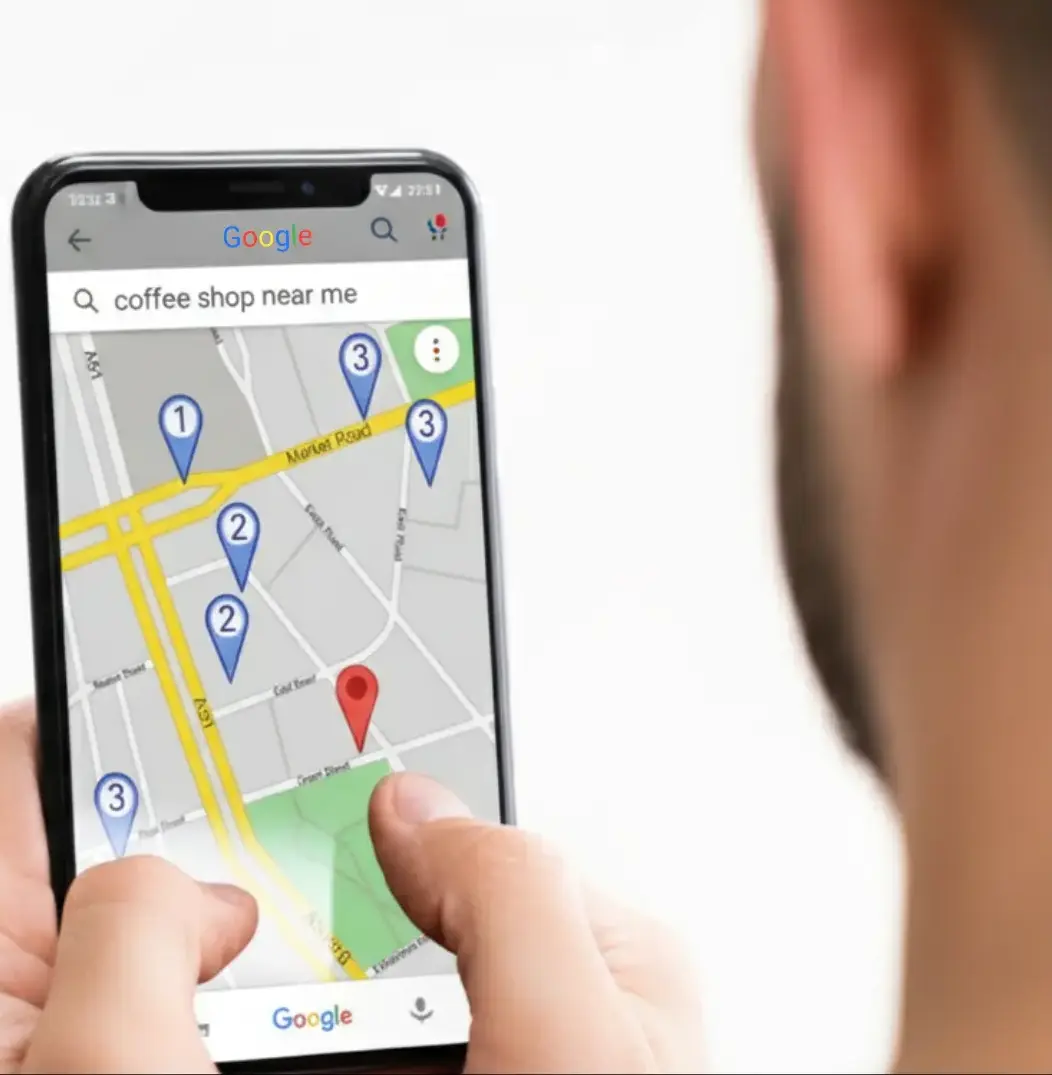
The statistics tell a compelling story. Local searches have exploded in recent years, with consumers increasingly turning to their phones and computers to find nearby businesses.
Your competitors are already fighting for these local customers. The question isn’t whether you need a local marketing strategy—it’s whether you’ll implement one before your competition pulls too far ahead.
This local marketing guide for small businesses will ensure you win that race. According to recent research from LocaliQ’s 2025 Small Business Marketing Trends Report, 49% of small businesses are planning to increase their marketing budgets in 2025, showing the growing importance of strategic local marketing.
Visibility forms the foundation of every successful local marketing guide for small businesses. When potential customers can’t find you online, you lose sales to competitors who invested in being discovered.
Let’s explore the essential visibility strategies that will put your business in front of ready-to-buy local customers.
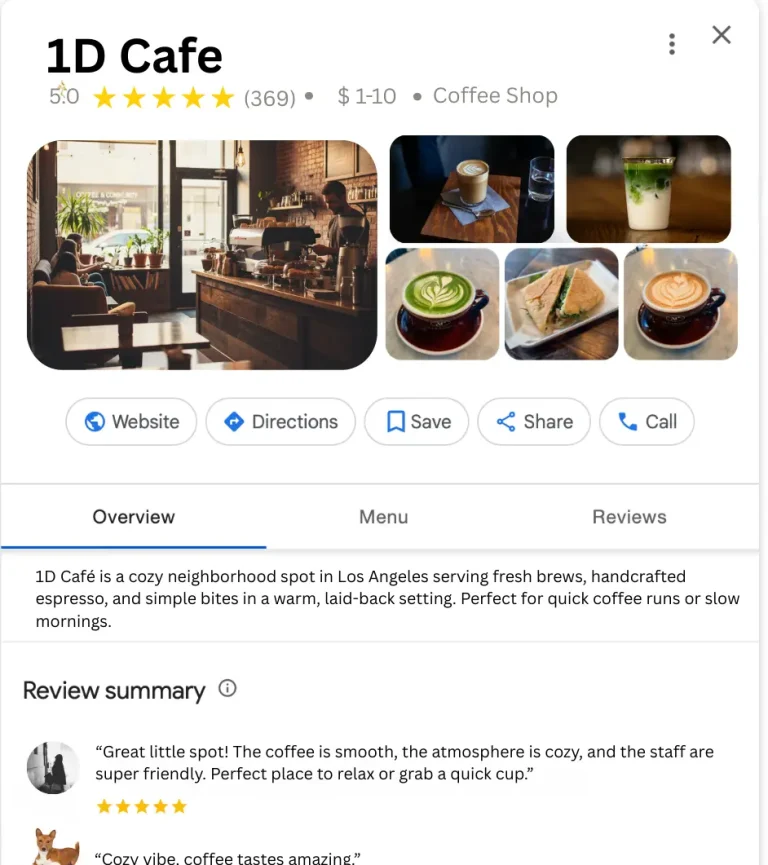
Your Google Business Profile represents your digital storefront. It’s often the first impression potential customers form about your business, making it a critical component of any local marketing guide for small businesses.
Research shows that businesses with optimized Google Business Profiles are 2.7 times more likely to be perceived as reputable by consumers.
Complete Your Business Information. Every field in your Google Business Profile should be filled out completely. This includes your business name, address, phone number, hours of operation, and website URL.
Your Name, Address, and Phone number (NAP) must be identical across all online platforms. Inconsistent NAP information confuses search engines and hurts your local rankings.
Choose Relevant Categories. Select your primary business category carefully, as this helps Google understand your business and show it to the right searchers. Add secondary categories to capture additional relevant searches.
Upload High-Quality Visual Content. Businesses with photos receive 42% more driving direction requests and 35% more website clicks than businesses without photos.
Your photos should showcase your storefront or office exterior, interior shots highlighting your atmosphere, team members in action, products or completed work examples, and behind-the-scenes content that builds trust.
Leverage Google Posts. Regular Google Posts keep your profile fresh and engaging. Share updates about special promotions and offers, new products or services, community involvement, industry news and tips, and upcoming events.
Local Search Engine Optimization is the process of optimizing your online presence to capture more business from location-based searches. With 46% of all Google searches having local intent, local SEO is non-negotiable in any local marketing guide for small businesses.
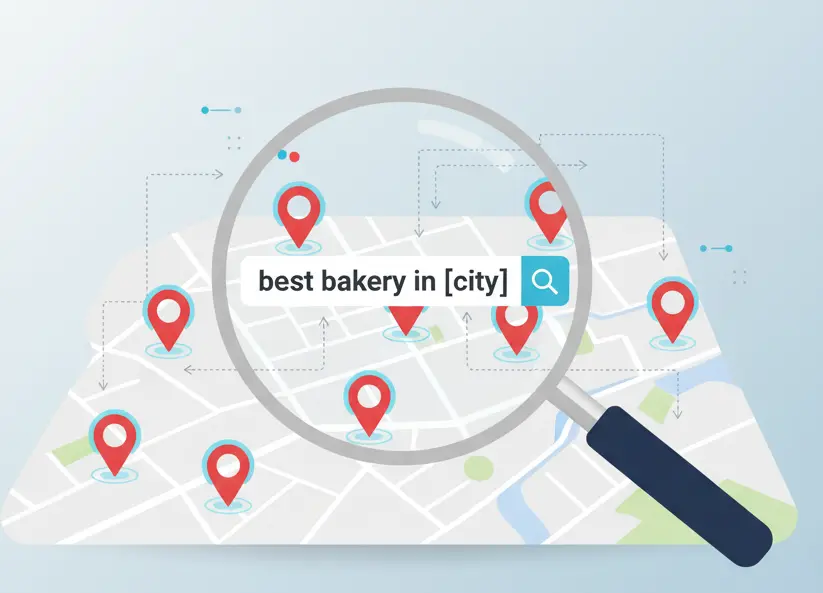
Recent data from SeoProfy’s comprehensive local SEO statistics study reveals that 99% of people have used the internet to look up information about a local business in the past year, emphasizing the critical importance of strong local search visibility.
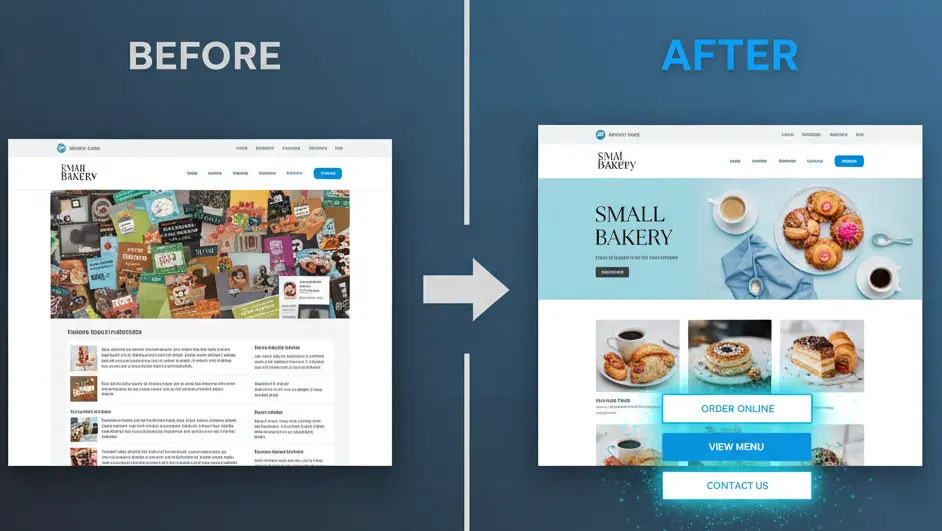
A professional website serves as the central hub of your digital presence. It’s where potential customers learn about your business, evaluate your credibility, and decide whether to contact you.
Essential Website Elements. Visitors should understand what you do and why they should choose you within seconds of landing on your site. Your website structure should guide visitors naturally toward taking action using clear menu labels and logical page hierarchies.
Every page should have a clear next step for visitors, whether that’s calling your business, filling out a contact form, scheduling an appointment, or making a purchase.
Your website design reflects your business quality. Invest in clean, modern layouts, high-quality images, consistent branding, and professional color schemes.
Conversion Rate Optimization. Include elements that build confidence such as customer testimonials and reviews, professional certifications, awards and recognition, and security badges and guarantees.
Make it easy for customers to reach you by displaying your contact information prominently on every page. According to HubSpot’s research, businesses with 30 or more landing pages generate 7 times more leads than those with fewer than 10 pages, highlighting the importance of comprehensive website content.
Trust is the foundation of all business relationships. In our digital-first world, building trust online is essential for any local marketing guide for small businesses to be effective.

Online reviews have become the modern equivalent of word-of-mouth recommendations. 75% of consumers regularly read reviews before choosing local businesses.
Review Platform Strategy Google reviews appear prominently in search results and directly impact your local rankings. They’re the most visible and influential reviews for local businesses.
Yelp remains important, especially for restaurants, retail, and service businesses. Many consumers specifically check Yelp before making decisions.
Facebook reviews provide social proof directly within the platform where many customers spend their time.
Depending on your business type, focus on relevant review sites like Angie’s List for home services, TripAdvisor for hospitality, and Healthgrades for healthcare providers.
Proactive Review Generation Develop a consistent process for asking satisfied customers to leave reviews. Send follow-up emails after purchases, include review requests in service completion communications, add review links to email signatures, and display review QR codes in your physical location.
Ask for reviews when customer satisfaction is highest: immediately after successful project completion, following positive customer service interactions, and after customers express satisfaction verbally.
Professional Review Response Strategy Always thank customers for positive reviews. This shows appreciation and encourages others to leave feedback. Keep responses personal and specific, brief but genuine, and professional in tone.
Negative reviews provide opportunities to demonstrate excellent customer service. Respond quickly and professionally, acknowledge the customer’s concerns, offer to resolve issues offline, and show other potential customers how you handle problems.

Social media allows local businesses to build authentic relationships with their community. This personal connection is a powerful differentiator in any local marketing guide for small businesses.
Platform Selection Strategy. Facebook’s large user base and powerful targeting options make it ideal for most local businesses. Create engaging business pages, share community-focused content, use Facebook Events for promotions, and leverage Facebook Groups for community building.
Instagram works particularly well for businesses with strong visual elements including restaurants and food businesses, retail and fashion, beauty and wellness services, and home improvement and design.
Professional service providers should maintain an active LinkedIn presence. Share industry insights, connect with other business owners, participate in local business groups, and establish thought leadership.
Content Strategy for Local Engagement. Show the human side of your business with team member spotlights, day-in-the-life content, business process glimpses, and company culture highlights.
Position yourself as an expert by sharing valuable information including industry tips and advice, how-to guides, common problem solutions, and trend insights and analysis.
Demonstrate your local involvement through local event participation, community charity support, partnerships with other local businesses, and local news and updates commentary.
Encourage customers to create content featuring your business through customer photos with your products, testimonial videos, before-and-after transformations, and customer success stories.
Sustainable business growth requires systematic approaches to lead generation, customer nurturing, and sales conversion. This section of our local marketing guide for small businesses focuses on building scalable marketing systems.
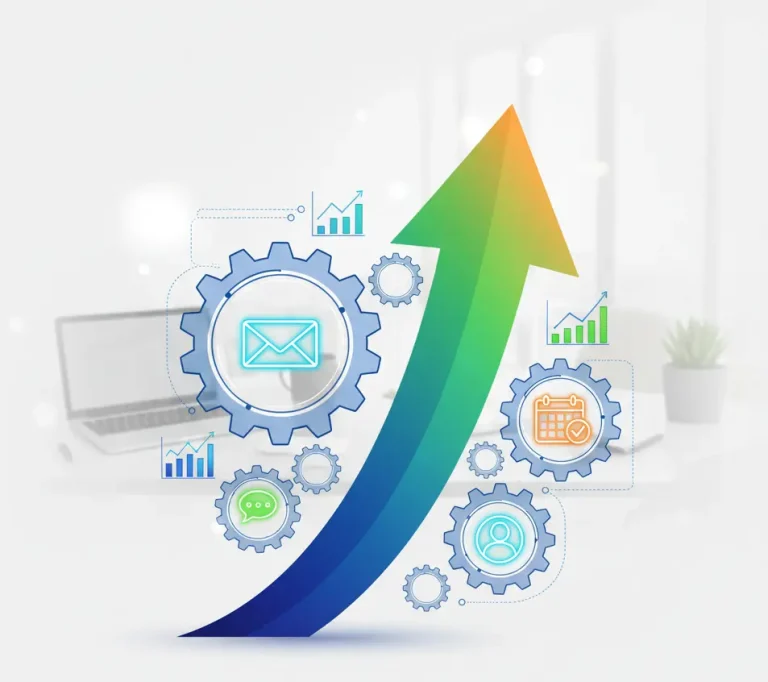
Email marketing delivers the highest ROI of any digital marketing channel, generating an average of $42 for every $1 spent. Unlike social media, you own your email list, providing direct access to your audience.
Building Your Email List Offer valuable incentives in exchange for email addresses including exclusive discounts and promotions, helpful guides and resources, free consultations or assessments, and industry reports and insights.
Capture emails through various touchpoints such as website opt-in forms, social media campaigns, in-store signup processes, and event registration forms.
Organize your email list based on customer purchase history, geographic location, interest categories, and engagement levels.
Email Campaign Types Create a strong first impression with new subscribers by thanking them for joining, setting expectations for future emails, providing immediate value, and introducing your business story.
Maintain regular contact with valuable content including industry news and trends, business updates and announcements, educational content and tips, and customer spotlights and success stories.
Drive sales with targeted offers through seasonal promotions, new product launches, exclusive member discounts, and limited-time special offers.
Win back inactive subscribers with special comeback offers, survey requests for feedback, content preference updates, and account reactivation incentives.
Effective lead generation provides a steady stream of potential customers for your business. The key is implementing multiple strategies that work together to maximize your reach.
Content Marketing for Lead Generation Create valuable blog content that attracts potential customers by answering common customer questions, solving industry-related problems, sharing case studies and success stories, and providing insider tips and advice.
Video content performs exceptionally well for local businesses. Create customer testimonial videos, behind-the-scenes business tours, educational how-to content, and live Q&A sessions.
Offer valuable resources in exchange for contact information including industry guides and checklists, template downloads, resource lists and directories, and exclusive research reports.
Local Advertising Strategies Target customers actively searching for your services through Google Ads. Use location-based targeting, focus on high-intent keywords, create compelling ad copy, and optimize landing pages for conversions.
Reach potential customers where they spend their time through Facebook and Instagram advertising. Target local audiences precisely, use engaging visual content, test different ad formats, and track and optimize performance.
Invest in premium listings on important local platforms by upgrading your Yelp listing, sponsoring local event websites, advertising in community publications, and partnering with complementary businesses.
Marketing automation allows you to deliver personalized experiences at scale. By automating repetitive tasks, you can focus on strategy and customer relationships while technology handles routine communications.
Essential Automation Workflows Guide prospects through your sales process with educational email series for new leads, follow-up sequences for quote requests, abandoned cart recovery for e-commerce, and consultation booking reminders.
Ensure new customers have positive experiences through welcome email sequences, product education content, usage tips and best practices, and check-in communications.
Keep existing customers engaged with loyalty program communications, renewal reminders and offers, feedback request automation, and cross-sell and upsell campaigns.
Choosing the Right Automation Tools Popular email marketing platforms include Mailchimp for small businesses, Constant Contact for ease of use, ConvertKit for content creators, and ActiveCampaign for advanced automation.
Connect your automation with customer relationship management by tracking lead sources and conversion paths, monitoring customer interaction history, automating follow-up task creation, and generating detailed performance reports.
No local marketing guide for small businesses would be complete without discussing measurement. Track these essential metrics to ensure your marketing efforts deliver results.
Monitor organic search traffic growth, local keyword ranking improvements, website conversion rate increases, and mobile traffic performance.
Track Google Business Profile views and actions, online review quantity and ratings, local citation accuracy and completeness, and social media engagement rates.
Measure email list growth rate, lead quality and conversion rates, cost per lead across channels, and sales pipeline velocity.
Analyze customer acquisition cost, customer lifetime value, return on marketing investment, and month-over-month revenue growth.
Success with this local marketing guide for small businesses requires consistent implementation. Start with these prioritized steps.
Phase 1: Foundation Building (Month 1) Optimize your Google Business Profile completely, ensure NAP consistency across all platforms, set up basic website analytics, and create social media business profiles.
Phase 2: Content and Engagement (Month 2-3) Launch regular content creation schedule, implement review generation system, begin email list building, and start local SEO optimization.
Phase 3: Growth and Automation (Month 4-6) Launch paid advertising campaigns, implement marketing automation workflows, expand content marketing efforts, and optimize based on performance data.
This comprehensive local marketing guide for small businesses provides everything you need to dominate your local market. By focusing on visibility, trust, and systems, you’ll create a marketing engine that delivers consistent, measurable results.
Remember that local marketing success doesn’t happen overnight. It requires consistent effort, continuous optimization, and patience. But businesses that implement these strategies systematically will see significant improvements in their online presence, customer acquisition, and revenue growth.
The digital landscape will continue evolving, but the fundamental principles in this local marketing guide for small businesses will remain relevant. Focus on providing value to your customers, building genuine relationships, and delivering exceptional experiences.
Your local market is waiting. The question is: will you implement this local marketing guide for small businesses before your competitors do?
Start today with the foundation-building phase, and within six months, you’ll have a powerful local marketing system that drives sustainable business growth.